At Bonus Round Recovery, we specialize in providing compassionate, evidence-based alcohol rehab in San Diego for individuals struggling with alcohol addiction, also known as alcohol use disorder (AUD). Founded by Linnsey Dolson and Tony Holtz—individuals who have risen from the depths of addiction and homelessness to lead fulfilling lives—our center offers intensive outpatient programs (IOP), partial hospitalization programs (PHP), and transitional housing tailored for adults aged 18-80. Our 12-week programs integrate therapies like Cognitive Behavioral Therapy (CBT) and Dialectical Behavior Therapy (DBT) to help you reclaim control. With a client-to-clinical team ratio of 8:1 and a focus on holistic well-being, including health improvement, financial literacy, and relationship repair, we stand out by offering mentorship rooted in real-life experience.
Why Choose Bonus Round Recovery
- Founder-led program built on lived recovery experience
- Evidence-based CBT and DBT therapies
- Small 8:1 client-to-clinician ratio
- Personalized IOP, PHP, and transitional housing options
- Compassionate care focused on long-term recovery and whole-person healing
What Is Alcohol?
Alcohol, chemically known as ethanol, is a psychoactive substance produced through the fermentation of sugars by yeast. It is commonly found in beverages like beer, wine, and distilled spirits. While moderate consumption is socially accepted in many cultures, excessive use can lead to alcohol use disorder (AUD), a medical condition characterized by an inability to control drinking despite negative consequences. AUD encompasses what was previously termed alcohol abuse, dependence, or alcoholism, and it affects the brain’s reward, motivation, and memory systems, making it a chronic, relapsing disorder.
At Bonus Round Recovery, our alcohol rehab in San Diego treats AUD as a treatable disease, not a moral failing. Our programs address the physical, psychological, and social aspects of addiction, helping clients build coping skills and create a lasting foundation for recovery. Our out-of-network model ensures flexible access to care based on your level of need.
History of Alcohol Use and Addiction
The history of alcohol consumption dates back millennia, with evidence suggesting humans have been producing and drinking fermented beverages for at least 13,000 years. Archaeological findings indicate that beer-like drinks were made from residues in stone mortars in ancient Israel around 11,000 BCE, while in China, fermented rice, honey, and fruit mixtures trace back to 7000 BCE. In ancient civilizations like Mesopotamia, Egypt, and Greece, alcohol played roles in religious rituals, medicine, and social gatherings. The distillation process, which produces stronger spirits, emerged around the 12th century in Europe, revolutionizing alcohol’s potency and availability.
Alcoholism, or problematic drinking, has been documented since ancient times, but it wasn’t recognized as a medical condition until the 19th century. Swedish physician Magnus Huss coined the term “alcoholism” in 1849 to describe chronic alcohol poisoning. In the United States, alcohol’s history is intertwined with social movements, including the Temperance Movement and Prohibition (1920-1933), which aimed to curb abuse but ultimately failed, leading to underground consumption. The establishment of the National Institute on Alcohol Abuse and Alcoholism (NIAAA) in 1970 marked a pivotal shift toward scientific research and treatment, recognizing AUD as a public health issue.
Today, alcohol remains the most widely used substance in the U.S., with over 140 million people aged 12 and older reporting past-month use. At Bonus Round Recovery, our founders’ personal histories of overcoming addiction echo this long-standing human struggle, providing clients with relatable guidance to break the cycle. Through our alcohol rehab in San Diego, we combine evidence-based treatment with the firsthand recovery experience of our founders to help clients break the cycle of addiction.
Key Facts About Alcohol Addiction
Alcohol addiction impacts millions globally and is the most common substance use disorder in the United States. Here are some critical facts:
- Prevalence: Approximately 29.5 million Americans aged 12 and older had AUD in 2022, according to national surveys.
- Health Impact: Excessive alcohol use causes about 178,000 deaths annually in the U.S., making it the third leading preventable cause of death.
- Binge Drinking: Defined as 5 or more drinks for men or 4 or more for women in about 2 hours, it affects 1 in 6 adults and leads to risky behaviors like impaired driving.
- Underage Drinking: Alcohol is the most used substance among youth, with risks including brain development issues and increased likelihood of future addiction.
- Pregnancy Risks: No safe amount of alcohol during pregnancy; it can cause fetal alcohol spectrum disorders (FASDs), affecting physical, behavioral, and cognitive development.
- Co-Occurring Disorders: Many with AUD have mental health issues like anxiety or depression, and trauma often exacerbates addiction.
These facts underscore the urgency of seeking help. At our facility, we use data-driven approaches to tailor treatment, ensuring high success rates through personalized care.
Symptoms of Alcohol Abuse and Addiction
Recognizing symptoms early can prevent escalation. According to diagnostic criteria, AUD is diagnosed when at least two of the following occur within a 12-month period:
- Drinking more or longer than intended.
- Unsuccessful attempts to cut down or control use.
- Spending excessive time obtaining, using, or recovering from alcohol.
- Strong cravings or urges to drink.
- Failure to fulfill major role obligations at work, school, or home.
- Continued use despite persistent social or interpersonal problems.
- Giving up important activities due to alcohol.
- Recurrent use in hazardous situations (e.g., driving).
- Tolerance: Needing more alcohol for the same effect.
- Withdrawal symptoms when reducing or stopping use.
Additional signs include blackouts, hiding drinking, or defensiveness about habits. If these resonate, our pre-screening safety call can assess your needs confidentially.
Short-Term and Long-Term Effects of Alcohol Abuse
Short-Term Effects: Alcohol depresses the central nervous system, leading to impaired judgment, coordination, and reaction times. It can cause slurred speech, dizziness, nausea, and in high doses, blackouts or alcohol poisoning, which can be fatal.
Long-Term Effects: Chronic abuse damages multiple organs. Liver conditions like fatty liver, hepatitis, and cirrhosis are common. Cardiovascular issues include high blood pressure and cardiomyopathy. Brain changes result in cognitive deficits, Wernicke-Korsakoff syndrome, and increased risk of dementia. Cancer risks rise for mouth, throat, liver, and breast. Muscle weakness from alcoholic myopathy affects mobility. Mental health deteriorates, exacerbating depression and anxiety.
Our programs at Bonus Round Recovery incorporate medical monitoring to address these effects, promoting physical recovery alongside emotional healing.
Alcohol Withdrawal Symptoms
Withdrawal occurs when heavy drinkers suddenly stop or reduce intake, typically starting within 6-24 hours. Mild symptoms include anxiety, irritability, headache, insomnia, sweating, and tremors. Severe cases involve hallucinations, seizures, and delirium tremens (DTs)—a life-threatening condition with confusion, rapid heartbeat, fever, and heavy sweating, affecting 5% of those withdrawing.
We manage withdrawal safely in our PHP, using medications like gabapentin if needed, and transition to therapy-focused IOP.
Treatment Options for Alcohol Addiction
Effective treatment includes behavioral therapies, medications, and support groups. CBT helps reframe thoughts, DBT builds emotional skills, and mutual-aid groups like AA provide community. Medications such as naltrexone, acamprosate, and disulfiram reduce cravings or deter use.
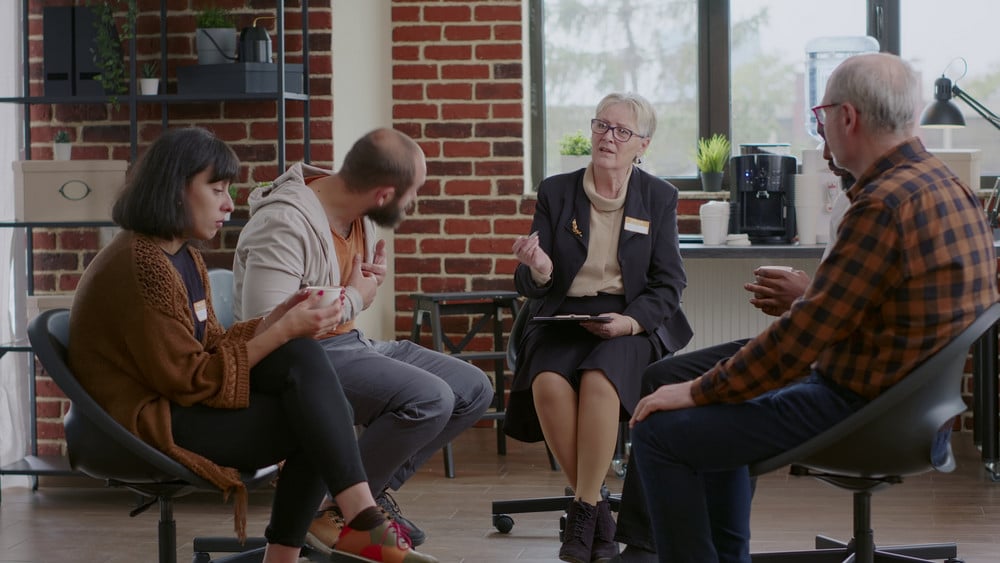
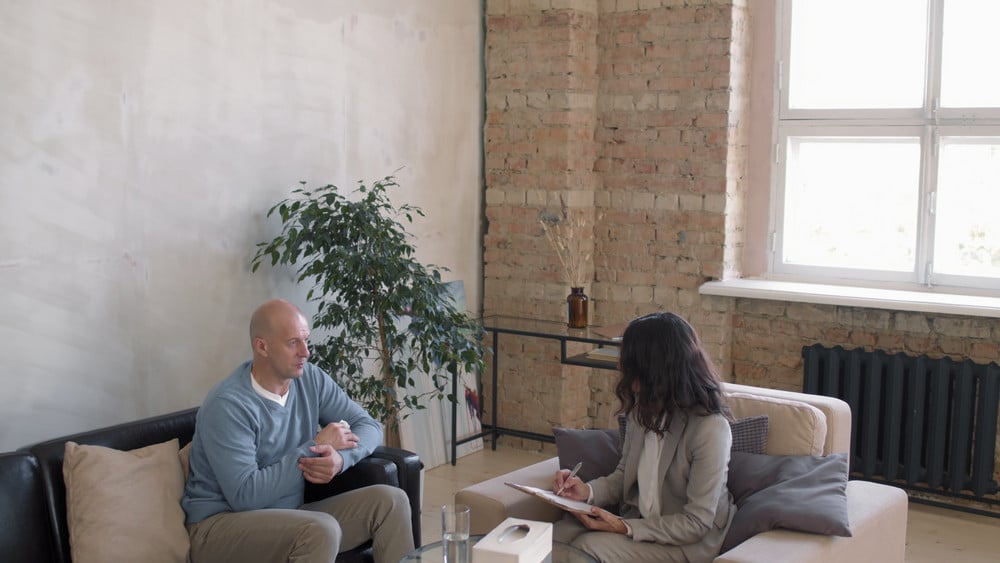
At Bonus Round Recovery, our alcohol rehab in San Diego combines these evidence-based therapies with personalized mentorship, helping clients build practical recovery skills for long-term success. Daily group therapy fosters connection, while 1-2 weekly individual sessions address unique needs. Aftercare includes AA/NA referrals and sober living connections.
Why Choose Bonus Round Recovery for Alcohol Addiction Treatment?
In a competitive field, our alcohol rehab in San Diego stands apart through our empathetic, founder-led approach. With an average census of 10-15 clients, we provide personalized attention while combining clinical expertise with real-world recovery experience. Clients consistently praise our “bonus round” philosophy of turning rock bottom into renewal.
Common barriers like unreadiness are mitigated through our nurturing process: referral intake, benefit verification, and safety calls. We welcome both insurance and cash pay.
Start Your Recovery with Alcohol Rehab in San Diego
If alcohol addiction is affecting your life, you don’t have to face it alone. Bonus Round Recovery provides compassionate alcohol rehab in San Diego, designed to help you achieve lasting recovery through evidence-based treatment, personalized support, and a community that understands your journey. This is the “bonus round” we envision for you-a second chance to level up, supported by evidence-based therapies, a supportive community, and unwavering empathy. By choosing to embark on this journey. Whether you’re taking your first step toward sobriety or returning to treatment after a setback, our team is here to help you move forward with confidence. Contact Bonus Round Recovery today to verify your insurance, learn more about our programs, and begin building the healthier future you deserve.
Frequently Asked Questions
What happens during alcohol rehab at Bonus Round Recovery?
At Bonus Round Recovery, treatment begins with a personalized plan that may include CBT, DBT, group therapy, individual counseling, and recovery support to help you build lasting sobriety.
How do I know if I need alcohol addiction treatment?
If alcohol is affecting your health, relationships, responsibilities, or ability to control your drinking, treatment may help. A confidential assessment can determine the right level of care.
Does Bonus Round Recovery offer outpatient alcohol rehab in San Diego?
Yes. We offer outpatient alcohol rehab through our IOP and PHP programs, providing structured therapy and support while allowing clients to maintain daily responsibilities.
Can alcohol addiction treatment help with co-occurring mental health conditions?
Yes. Our programs address both addiction and mental health concerns like anxiety, depression, and trauma through evidence-based therapies such as CBT and DBT.
Does insurance cover alcohol rehab at Bonus Round Recovery?
We accept out-of-network private insurance benefits and help verify coverage, explain costs, and guide you through the admissions process.