

When Depression and Substance Use Reinforce Each Other
Depression has a way of making everything feel heavier. Getting out of bed, showing up to work, being present with the people you care about, all of it can feel like more than you have the energy for. For a lot of people, alcohol or drugs become a way to numb that weight, even briefly, or to feel something when everything else feels flat.
The relief rarely lasts. Substances tend to deepen depression over time rather than lift it, and what starts as an occasional escape can turn into a pattern that makes the depression harder to climb out of, not easier.
At Bonus Round Recovery, we see this pattern often. That is why our outpatient substance use treatment is built to recognize co-occurring concerns like depression, not treat them as separate from the addiction itself.
What Is Depression?
Depression, or major depressive disorder, is a mood condition marked by persistent sadness, loss of interest in things that used to matter, and a range of physical and emotional symptoms that last for weeks or longer. Common signs include:
- Low mood or a sense of emptiness that does not lift
- Loss of interest or pleasure in activities you used to enjoy
- Changes in sleep, appetite, or energy levels
- Difficulty concentrating or making decisions
- Feelings of worthlessness, guilt, or hopelessness
Depression affects a significant share of adults worldwide, and it is one of the mood disorders most closely tied to substance use. Compared to people without a mood disorder, people with depression are roughly twice as likely to also have a substance use disorder.
The Research Behind the Connection
The connection between depression and substance use is one of the most consistently documented patterns in addiction research, not a loose association.
Meta-analyses looking at people with major depressive disorder have found that about a quarter also meet criteria for a substance use disorder, with alcohol use disorder being the most common. Among people with any mood disorder, roughly a third have a co-occurring substance use disorder, and among people with lifetime major depression specifically, close to one in five have an alcohol use disorder and nearly one in five have a drug use disorder.
The overlap is even more pronounced in clinical treatment settings. Research on adolescents in substance use treatment programs has found that 70 to 80 percent also show signs of comorbid depression. In adult clinical samples, comorbid depression has been found in as many as half of people being treated for a substance use disorder.
Research has also shown that when depression and substance use occur together, the course of both conditions tends to be more difficult. Studies point to greater symptom severity, poorer treatment outcomes, higher rates of relapse, and a harder time functioning day to day compared to either condition on its own.
What this tells us clinically is important. Depression alongside substance use is not two unrelated problems happening to occur in the same person. It is a well-documented pattern that responds better to integrated treatment than to treating either condition alone.
Why Treating Both Matters
A recovery plan that addresses only the substance use and leaves the depression unmanaged tends not to hold up. The low mood, low motivation, and hopelessness that depression brings do not disappear just because the substance use has stopped, and left unaddressed, they are often exactly what pulls someone back toward using again.
Our approach starts from the understanding that these two things are connected, not separate. When your plan accounts for the depression underneath the substance use, relapse prevention becomes specific to what is actually driving your cycle, rather than generic advice that falls apart under real difficulty.
Our Approach to Co-Occurring Depression at Bonus Round Recovery
Everything we do is grounded in outpatient substance use treatment, with support for depression built directly into your plan rather than treated as an afterthought. That includes:
- Individualized treatment planning that accounts for how your depression actually shows up day to day, not a generic template applied to every client
- Evidence-based therapy, including Cognitive Behavioral Therapy and trauma-informed care, both well-supported approaches for depression alongside substance use
- Recovery education that helps you understand the specific link between your depression and your substance use, so the pattern makes sense instead of feeling like a personal failure
- Life skills and structure-building support to help rebuild motivation, routine, and a sense of purpose that depression tends to erode
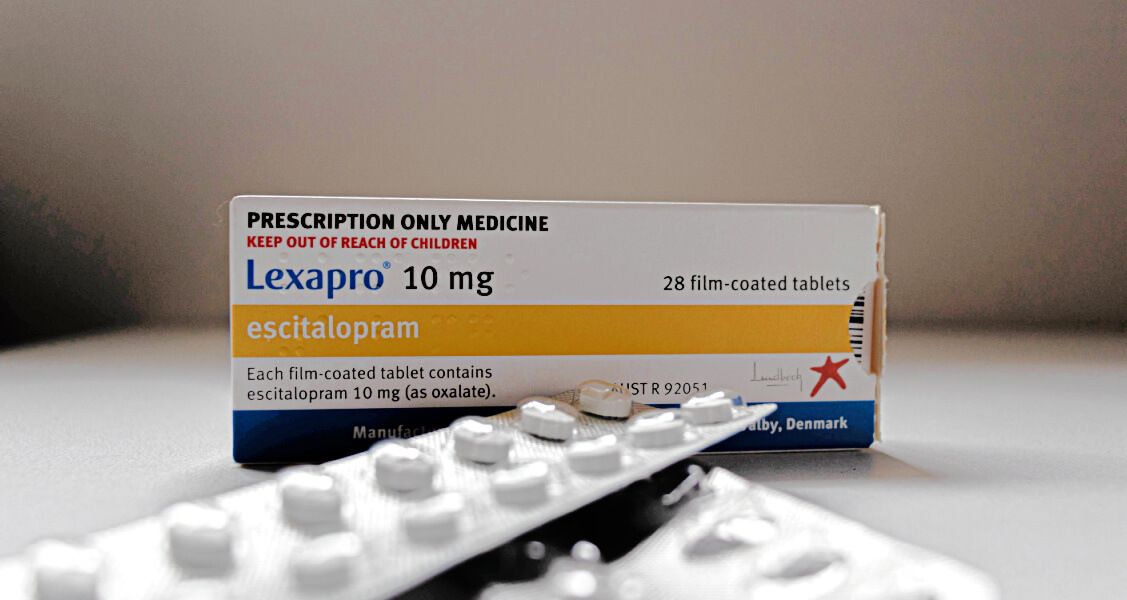
- Coordination of care with outside providers when medication management or additional psychiatric support is part of your picture
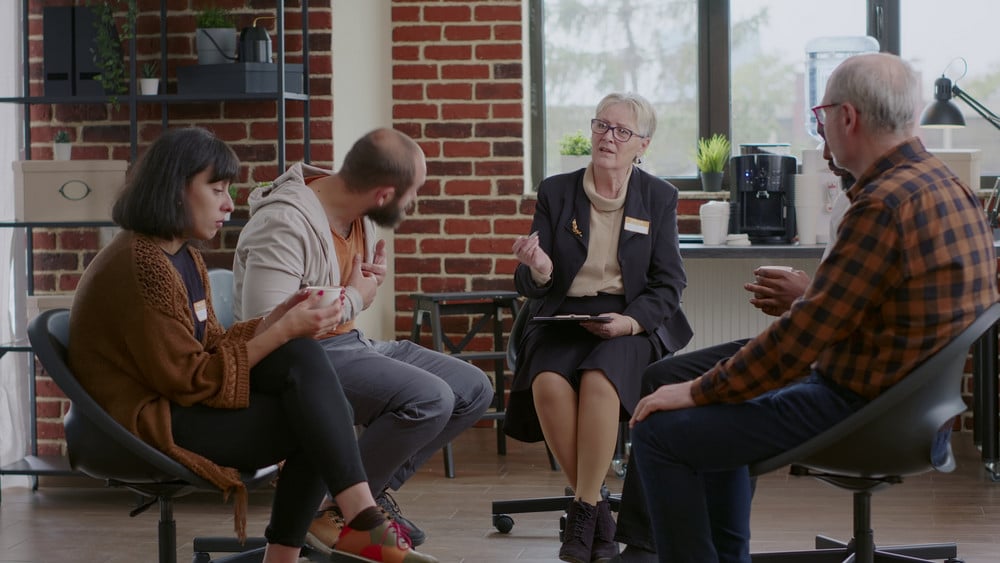
We want to be direct here. We are not a primary mental health facility, and we are not trying to be. What we do is make sure your depression does not get minimized or ignored while you are doing the harder work of substance use recovery.
Care Built on Lived Experience, Not Just Credentials
Bonus Round Recovery was founded by Linnsey Dolson and Tony Holtz, who built this program out of their own recovery journeys rather than a corporate treatment model. That matters here, because depression can be easy to dismiss from the outside as just a bad mood, and it takes real familiarity with that weight to build care that actually accounts for it.
Our team combines that lived understanding with clinical training in evidence-based approaches, so your care reflects both real experience and real expertise. You are not a diagnosis on an intake form. You are a person whose full story we take the time to learn, and your plan is shaped around it.
What This Looks Like Day to Day
We keep our program intentionally small so your care can be personal instead of procedural. That means:
- A treatment team that knows your name, your history, and your specific patterns, not just your chart
- Flexibility for virtual and in-person sessions depending on what fits your life and your clinical needs
- A recovery plan that adjusts as your depression and your recovery both change over time
- Support that continues past active treatment, through our alumni and long-term recovery community
Ready to Start?
If depression has been part of what’s made staying sober harder, you do not have to untangle it alone. Our team is here to help you build a recovery plan that accounts for the whole picture, not just the part that is easiest to treat.
Call 858-210-0008 or reach out here to talk with our admissions team about individualized outpatient care in San Diego.