


Highlights
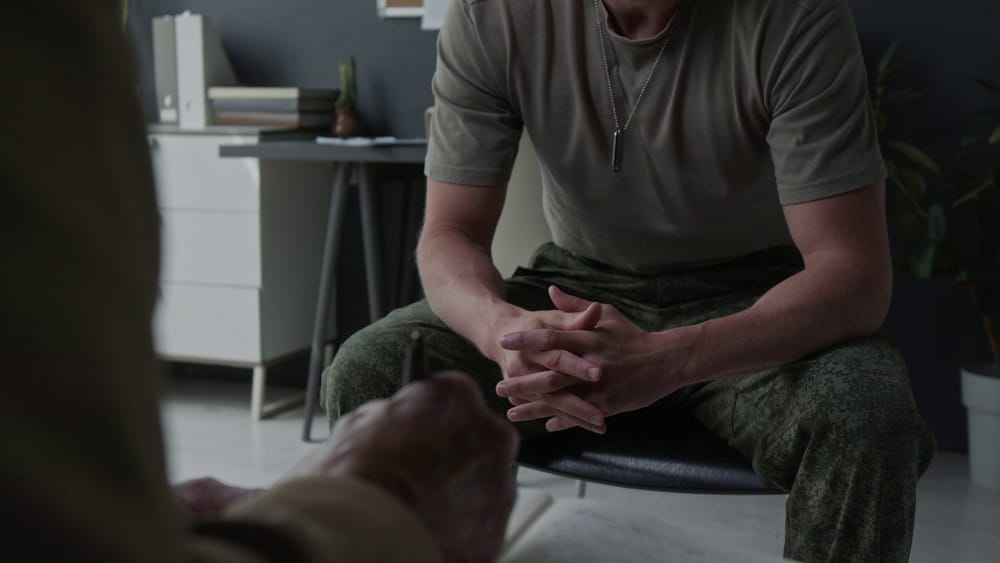
- Flexible Structured Care: Intensive outpatient programs provide high-level clinical care and therapy while allowing participants to live at home and keep up with work, school, or family commitments.
- Real-World Integration: Clients apply coping strategies directly to their everyday lives, practicing relapse prevention in real-time environments rather than in isolation.
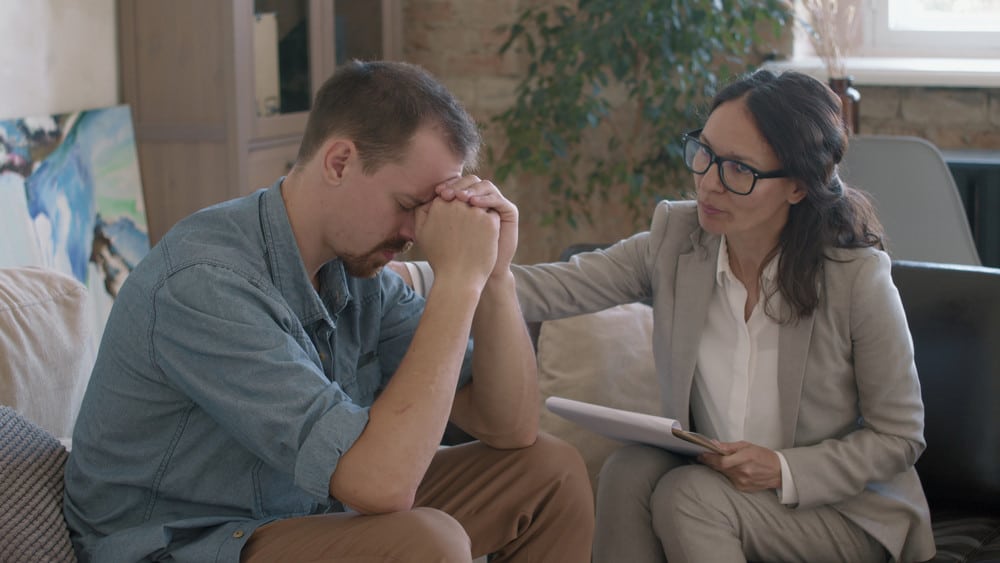
- Comprehensive Support Systems: Programs combine evidence-based therapies, group support, and individual counseling to address substance use and co-occurring mental health conditions.
- Bridging the Care Gap: Outpatient frameworks offer an accessible pathway for individuals who need structured recovery support without residential stays.
Choosing to seek help for substance use or mental health challenges is one of the most transformative decisions a person can make. However, many individuals hesitate to take that first step because they fear stepping away from their lives. Professional obligations, educational pursuits, and family responsibilities often create real or perceived barriers to residential treatment. Fortunately, modern behavioral healthcare offers flexible, highly effective alternatives designed to bridge this gap.
Among these options, intensive outpatient programs offer a vital balance between structured clinical care and everyday living. At Bonus Round Recovery, our experts have found that providing rigorous therapeutic support alongside daily life flexibility empowers individuals to build sustainable, long-term health without pausing their career or personal lives.
Understanding Intensive Outpatient Programs
An intensive outpatient program (IOP) is a level of care that offers structured therapy and clinical support multiple days per week without requiring an overnight stay. Unlike inpatient or residential rehabilitation, where patients reside at a treatment center full-time, clients enrolled in an IOP attend scheduled sessions and return home each day.
This framework is ideal for individuals who require more clinical structure than traditional weekly therapy can provide, but do not need 24-hour medical supervision or detoxification. It also serves as a crucial step-down level of care for those transitioning out of residential treatment back into everyday society.
Exploring the Core Features of Care
Intensive outpatient frameworks typically involve several foundational elements designed to promote personal growth and long-term stability:
- Flexible Weekly Scheduling: Sessions are usually offered during morning, afternoon, or evening hours to accommodate varying work and family commitments.
- Evidence-Based Modalities: Clinical sessions incorporate therapies such as Cognitive Behavioral Therapy (CBT), Dialectical Behavior Therapy (DBT), and trauma-informed care.
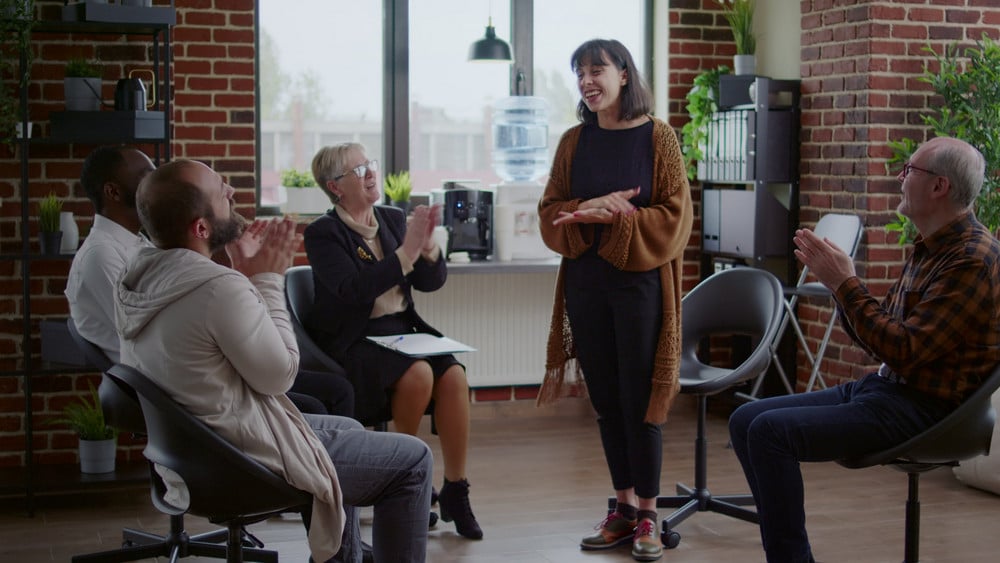
- Group and Individual Counseling: Participants engage in group therapy to foster peer connections while also receiving personalized individual guidance.
- Skill Development: Programs focus heavily on practical life skills, distress tolerance, emotion regulation, and trigger management.
Bridging the Treatment Gap in Substance Recovery
Despite the growing availability of modern behavioral health services, a significant portion of individuals in need of care do not receive it. According to the 2025 NSDUH, 86.4% of people with a substance use disorder received neither treatment nor other recovery-related services during the year.
This stark statistic highlights the importance of accessible care models. Many individuals cite an inability to take leave from work or fulfill childcare duties as a primary reason for delaying or avoiding care. Flexible care structures directly address these logistical obstacles, providing a practical entry point into long-term healing.
Examining the Key Advantages of Outpatient Care
Applying Recovery Tools in Real Time
One of the greatest clinical advantages of an intensive outpatient structure is the ability to test coping strategies in real time. In a residential setting, individuals live in a controlled environment free from outside stressors. While this offers temporary safety, returning home can sometimes trigger anxiety or relapse if practical skills have not been tested in everyday environments.
In contrast, participants in an outpatient environment encounter standard daily stressors—such as workplace tension, interpersonal dynamics, or social gatherings—and immediately bring those real-world experiences back to their clinical support team. This iterative process strengthens personal resilience and confidence.
Maintaining Professional and Academic Progress
Taking extended leave from employment or academic programs can introduce financial strain and professional disruption. Flexible scheduling options allow clients to maintain their job performance or educational track while dedicating required hours each week to clinical care. From our experience at Bonus Round Recovery, maintaining steady employment and structured daily routines contributes significantly to a sense of purpose and self-worth during early healing.
Preserving Family and Community Connections
Strong social support networks are critical factors in achieving lasting health. Returning home each evening allows participants to remain connected with family members, partners, and supportive friends. Staying actively involved in family life fosters accountability and helps rebuild trust within personal relationships throughout the care journey.
Identifying the Core Components of Treatment
A comprehensive clinical strategy addresses the whole person, ensuring that emotional, psychological, and social needs are met simultaneously.
Reviewing the Key Pillars of Care
- Individual Counseling: Tailored therapeutic strategies designed to address unique personal challenges.
- Group Therapy: Facilitates peer connection, shared experiences, and mutual accountability.
- Relapse Prevention: Focused on identifying, managing, and navigating daily triggers in real time.
- Co-Occurring Care: Provides comprehensive dual-diagnosis support for underlying mental health conditions.
- Continuing Care: Offers long-term alumni networking, ongoing check-ins, and peer support.
Managing Triggers Through Relapse Prevention
Learning to navigate personal triggers is central to any successful care plan. During clinical sessions, individuals identify specific environmental, emotional, and social factors that contribute to past behavioral patterns. Therapists work alongside clients to construct customized relapse prevention plans, teaching techniques such as cognitive restructuring, mindfulness practices, and boundary setting.
Treating Co-Occurring Mental Health Conditions
Substance use and mental health conditions frequently occur together. Effective care requires a dual-diagnosis approach that treats underlying anxiety, depression, PTSD, or mood disorders alongside behavioral health goals. Addressing these root causes concurrently ensures a much stronger foundation for lasting wellness.
Assessing Eligibility for Outpatient Treatment
While flexible care offers numerous benefits, determining the appropriate level of treatment requires careful clinical assessment. An outpatient approach is typically best suited for individuals who:
- Have completed medical detoxification (if necessary) and are medically stable.
- Have a safe, supportive, and substance-free living environment.
- Possess the motivation and personal accountability to attend scheduled sessions reliably.
- Require structured clinical care but cannot commit to a residential stay due to work, school, or family obligations.
Our experts have found that matching an individual’s clinical needs with the appropriate level of care significantly enhances engagement and overall success.
Reclaiming Your Life with Bonus Round Recovery
Achieving wellness should not mean putting your entire life on pause. With the right clinical support, you can build a healthier future while fulfilling your personal and professional obligations.
If you or a loved one are ready to take the next step toward lasting recovery, the team at Bonus Round Recovery is here to guide you every step of the way. Contact us today to learn more about our flexible programs and discover how we can help you build a stronger foundation for tomorrow.
Frequently Asked Questions
Most programs require between 9 to 15 hours of clinical programming per week, distributed across three to five days. Sessions are structured in morning or evening blocks to ensure participants can easily balance clinical care with work, school, or family commitments.
Yes. One of the primary benefits of this structure is its flexibility. With evening and morning scheduling options, clients can maintain full-time employment or academic commitments while receiving regular clinical support.
At Bonus Round Recovery, our intensive outpatient programs combine personalized clinical care, evidence-based therapies, and compassionate community support designed around your lifestyle. We tailor care plans to fit your unique daily routine, helping you build real-world resilience and long-term stability without putting your life on hold.