
Highlights
- Strong recovery is supported by meaningful relationships, consistent accountability, and connection to healthy communities.
- Local rehab programs can create structured opportunities to practice communication, coping, and social skills while receiving professional care.
- Group therapy, family involvement, transitional housing, and alumni connections can help turn treatment into an ongoing support network.
- Professional aftercare and community integration can help individuals maintain recovery goals beyond formal treatment.
Recovery can feel isolating when someone is trying to change long-standing patterns without reliable support. Treatment is not only about addressing substance use; it can also help people rebuild trust, develop healthier relationships, and reconnect with communities that reinforce their goals. A local rehab center can provide a structured environment where these connections are developed alongside clinical care.
Strengthening Community Support During Recovery
Addiction can affect relationships, employment, family life, and a person’s sense of belonging. Rebuilding these areas takes more than simply avoiding substances. Individuals may need opportunities to practice communication, set boundaries, manage conflict, and ask for help.
A rehab center program gives people a setting where these skills can be developed with professional guidance. Instead of expecting someone to navigate every social challenge alone, structured treatment creates opportunities to learn, reflect, and receive feedback.
What Makes a Support System Healthy?
A healthy recovery network generally includes people who respect boundaries, encourage treatment, avoid enabling harmful behavior, and support constructive goals. The right network does not need to be large. Consistent, trustworthy relationships can be more meaningful than having many casual connections.
Creating Opportunities for Connection Through Rehab Centers
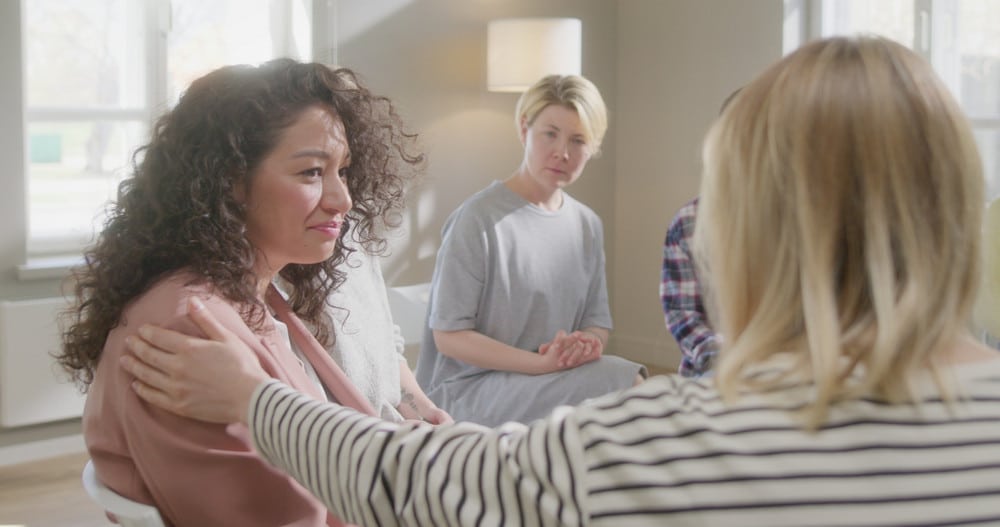
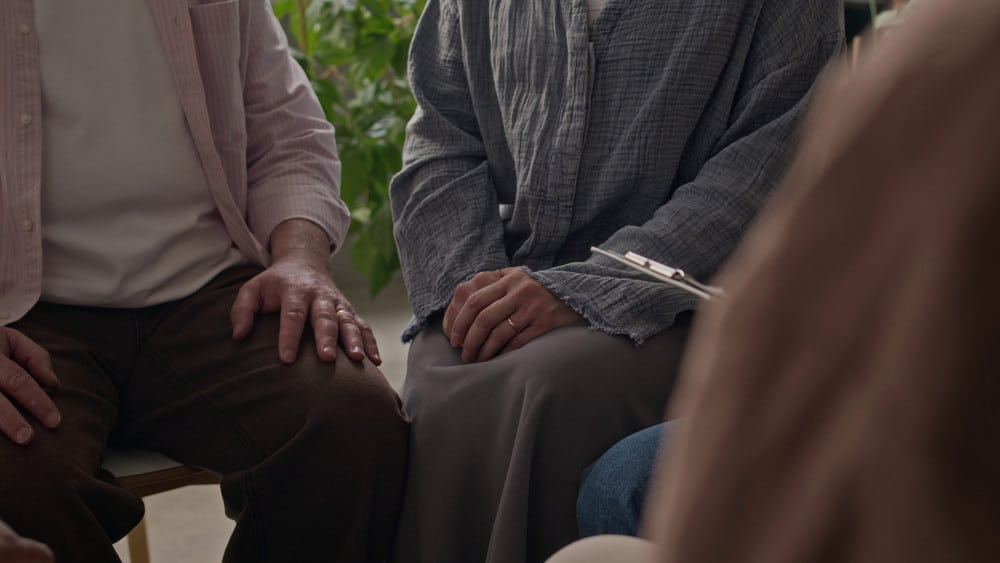
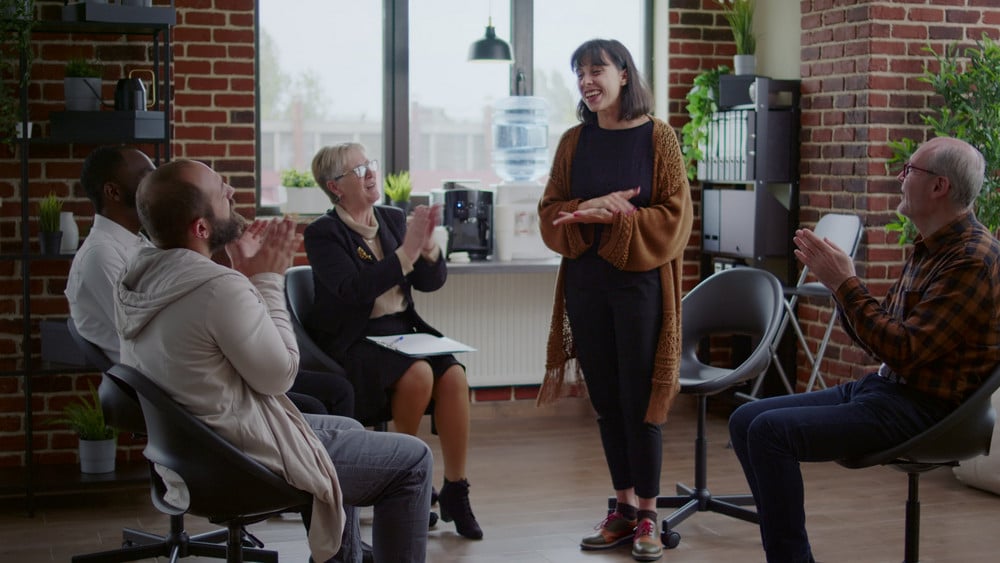
One advantage of professional treatment is the opportunity to connect with people who understand the recovery process. Group-based care can reduce the sense that someone is facing challenges completely alone.
At Bonus Round Recovery, treatment programs include structured group experiences alongside individualized clinical support. Its IOP and PHP programs provide different levels of structure while helping clients work toward greater independence. The center also offers transitional housing for eligible clients who need a stable, sober environment while rebuilding daily routines.
These settings create practical opportunities to practice healthy interaction. Group discussions may encourage participants to listen, communicate honestly, and recognize shared experiences without losing sight of individual treatment goals.
Building Support Beyond the Treatment Setting
The strongest community connections are not limited to the treatment facility. A rehab center can help individuals identify supportive resources and relationships they can continue using after formal programming ends.
This may include family members, recovery peers, community organizations, counselors, mentors, or alumni networks. The goal is not to make one person responsible for another person’s recovery. Instead, a broader network can give individuals multiple places to turn when they need encouragement or guidance.
Bonus Round Recovery emphasizes continued community connection and alumni involvement. Its website notes that alumni can return for groups, connect with counselors, and remain connected to the recovery community.
Why Aftercare Should Be Part of the Plan
Leaving structured treatment can bring new challenges. Work, family responsibilities, social situations, and old environments may test newly developed coping skills. Planning for continued support before formal treatment ends can help individuals know where to seek guidance when circumstances become difficult.
Strengthening Family Relationships During Recovery
Family dynamics can be complicated by addiction, but supportive relationships may become an important part of rebuilding a stable life. Professional treatment can give families a setting for discussing expectations, boundaries, communication, and trust.
Family participation should be individualized. Some relationships may be supportive, while others may require stronger boundaries or professional guidance. Treatment teams can help determine what level of family involvement is appropriate rather than assuming every relationship should be restored in the same way.
At Bonus Round Recovery, family therapy is available when clients are comfortable involving family members. This recognizes that recovery can affect more than the individual receiving treatment and that healthier communication can benefit the broader support system.
Creating Community Through Transitional Housing
For some individuals, returning immediately to an unstable or substance-filled environment can make recovery more difficult. Transitional housing can provide a structured bridge between intensive treatment and greater independence.
A professional sober living environment can offer stability while individuals practice routines such as attending treatment, managing responsibilities, building relationships, and maintaining recovery-focused habits. It can also create daily opportunities to interact with peers working toward similar goals.
Turning Treatment Skills Into Community Skills
Recovery education becomes more valuable when individuals can apply it outside therapy. Communication techniques, emotional regulation strategies, boundary-setting, and problem-solving can affect how someone interacts with coworkers, relatives, friends, and peers.
A professional team can help clients identify situations that may create pressure or conflict and develop appropriate responses. Over time, these skills can make it easier to form relationships based on mutual respect rather than patterns associated with substance use.
Choosing a Local Rehab With Community in Mind
When evaluating treatment options, individuals and families can look beyond whether a program offers therapy. Consider how the center approaches group support, family involvement, transitional housing, alumni engagement, aftercare, and connections to community resources.
It is also important to understand the level of care being offered. IOP may provide structured treatment while allowing more independence, while PHP generally provides a more intensive schedule. The appropriate level depends on individual circumstances and clinical recommendations.
Bonus Round Recovery describes its approach as combining evidence-based therapies with personal support and lived recovery experience. Its programs include PHP, IOP, and supportive transitional housing, giving clients options based on their needs and stage of recovery.
Building a Stronger Recovery Community – Contact Bonus Round Recovery Today!
A strong support system develops through repeated experiences of trust, accountability, healthy communication, and shared purpose. A professional local rehab center can provide the structure needed to begin that process while helping individuals identify relationships and resources that can support them afterward.
According to SAMHSA, 22.3 million adults in 2025 considered themselves to be in recovery or recovered from a drug or alcohol problem. SAMHSA also emphasizes sustained recovery support and the importance of relationships and community in helping people build lives beyond addiction.
If you or a loved one is looking for structured addiction treatment and ongoing community support in San Diego, explore Bonus Round Recovery to learn more about available programs and take the next step toward recovery.
FAQs About Local Rehab and Community Support
How can IOP help build a recovery support system?
An IOP can combine structured therapy, group interaction, counseling, and continued daily responsibilities. This allows clients to practice recovery skills while developing relationships and support networks outside treatment. Bonus Round Recovery offers IOP services designed to provide structured support while clients maintain appropriate work, school, or family responsibilities.
Does PHP provide community support?
Yes. PHP can provide a more structured treatment schedule while incorporating group-based care and opportunities to connect with peers. Bonus Round Recovery’s PHP program can also be paired with supportive transitional housing for eligible clients who need a stable environment during treatment.
What makes Bonus Round Recovery different?
Bonus Round Recovery was founded by Linnsey Dolson and Tony Holtz, who draw from their own recovery experiences in shaping the center’s approach. The organization provides PHP, IOP, and supportive transitional housing, with an emphasis on personalized care, community connection, and continued support beyond formal treatment.